
How to Choose Argentinian Malbec: An Australian Wine Lover’s Guide
Argentinian Malbec is known for generous fruit, supple texture and an easy affinity with food—but not every bottle tastes the same. The vineyard location, vintage, winemaking and time in oak can all move a Malbec from bright and approachable to deep, savoury and structured.
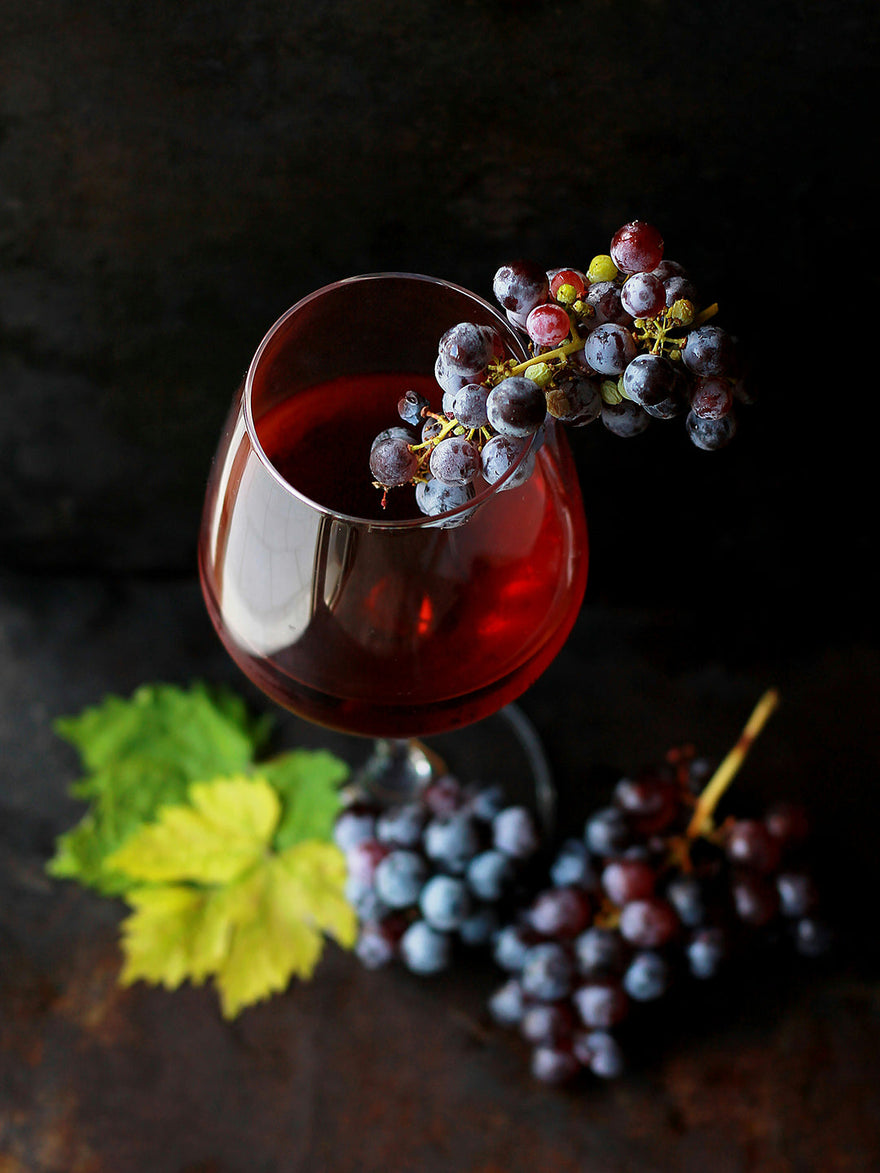
This guide explains what Australian wine lovers should look for when choosing Malbec, how to match the style to an occasion, and how to serve it at its best.
What is Argentinian Malbec?
Malbec is a dark-skinned red grape variety that has become closely associated with Argentina. In the glass, it commonly shows plum, blackberry and dark cherry flavours, often accompanied by violet, spice, cocoa or gentle oak notes. Its naturally deep colour and rounded texture make it appealing to drinkers who enjoy flavourful red wine without necessarily wanting the firmest tannins.
That description is a useful starting point, not a guarantee. A youthful, fruit-led Malbec can feel lively and smooth, while a more structured example may offer darker fruit, greater savoury complexity and a longer finish. The best choice is therefore the one that suits your palate, meal and occasion.
Why Mendoza matters
Mendoza is Argentina’s best-known wine region and the source of many Malbecs available in Australia. Vineyards sit in a dry climate near the Andes, with altitude, sunlight, cool nights and local soils contributing to a wide range of expressions.
Labels may show Mendoza broadly or identify a more specific place. Regional detail can be useful, but it should not be treated as a simple quality ranking. Producer style, vineyard selection and winemaking choices remain important. When comparing bottles, consider the complete picture rather than choosing on origin alone.
How to choose an Argentinian Malbec

1. Start with the style you enjoy
If you prefer a softer, fruit-forward red, look for descriptions such as ripe plum, red fruit, smooth tannins or fresh finish. These wines are versatile choices for relaxed dinners and barbecues.
If you enjoy a fuller or more layered red, look for references to blackberry, spice, cocoa, oak or velvety tannins. These cues often suggest a wine suited to richer food and slower drinking.
2. Consider the occasion
- Weeknight dinner: choose an approachable, fruit-led Malbec that works without lengthy preparation.
- Barbecue or shared table: look for generous fruit, balanced tannin and enough structure for grilled food.
- Gift or special meal: consider a more distinctive regional or producer-led bottle, presented with clear information about its origin and style.
- Exploring with friends: select two contrasting Malbecs and taste them side by side to notice differences in fruit, texture and oak.
3. Read the vintage as context—not a score
The vintage tells you when the grapes were harvested. It does not, by itself, tell you whether one bottle is better than another. Younger Malbec often emphasises fresh fruit, while a wine with more bottle age may develop savoury or secondary characters. Storage history and the way a wine was made are just as important, particularly for older vintages.
4. Check the producer and product details
A useful product page should clearly identify the producer, variety, vintage, origin and bottle size. Tasting notes should help you understand the wine rather than rely on exaggerated claims. At San Telmo Cellars, our aim is to make comparison straightforward so you can choose with confidence.
Malbec styles to explore at San Telmo Cellars
The current collection spans accessible everyday bottles, contemporary Mendoza Malbec and more structured options. Availability and vintages can change, so the product page remains the most reliable place to check current details.
For a smooth, fruit-led introduction
Lo Tengo Malbec 2018 is described around ripe red fruit, black pepper and smooth, harmonious tannins. It is an approachable place to begin if you are new to the variety or want a rounded red for casual food.
For freshness and medium-bodied balance
Lagarde Malbec 2024 offers a younger expression from Mendoza, with a fruit-led profile, soft tannins and a fresh finish. Consider it when you want flavour without excessive weight.
For darker fruit and a richer table wine
Perdriel Series Malbec 2020 is described with blackberry, plum, floral notes, spice and oak, supported by velvety tannins. Its richer profile makes it a natural candidate for grilled meats, roast vegetables or firm cheese.
You can also browse the complete Argentinian Malbec collection to compare the range currently available.
What food goes with Malbec?

Malbec’s dark fruit and rounded tannins make it a flexible partner at the table. The key is to match the weight of the wine with the intensity of the food.
- Beef and lamb: grilled steak, lamb cutlets, slow-cooked lamb and beef empanadas are classic choices.
- Barbecue: charred flavours work particularly well with fruit-forward or gently oaked Malbec.
- Vegetarian dishes: roast mushrooms, eggplant, capsicum, lentils and smoky tomato-based dishes provide enough depth to meet the wine.
- Cheese: try firm or semi-hard cheeses rather than very delicate styles.
- Spice: moderate, savoury spice can complement Malbec, but very hot chilli may make the alcohol feel more pronounced.
Food pairing is ultimately personal. Use these combinations as a starting point and pay attention to balance: the wine should not overwhelm the meal, and the meal should not flatten the wine.
How to serve Malbec
Temperature
Serve Malbec slightly below warm room temperature. On a hot Australian day, 15–20 minutes in the fridge before serving can help the fruit and structure feel fresher. Avoid serving it overly warm, which can make the alcohol seem more prominent.
Glassware
A medium-to-large red wine glass gives the aromas room to open. You do not need specialist glassware; a clean glass with a reasonably generous bowl is enough.
Opening and decanting
Many approachable Malbecs can be enjoyed soon after opening. A concentrated or structured bottle may benefit from time in the glass or a short decant. With an older bottle, decant carefully and assess it as you go—the aim may be to separate sediment rather than expose the wine to extended air.
Frequently asked questions
Is Argentinian Malbec always full-bodied?
No. Although Malbec is often described as rich, examples range from fresh and medium-bodied to concentrated and full-bodied. Vineyard conditions and winemaking strongly influence the final style.
Is Malbec dry or sweet?
Most table Malbec is made as a dry red wine. Ripe fruit flavours can create an impression of sweetness even when little residual sugar is present.
What is the difference between Malbec and a Cabernet–Malbec blend?
A varietal Malbec is centred on Malbec, while a Cabernet–Malbec blend combines it with Cabernet Sauvignon. The blend may add cassis, structure or savoury character, depending on the proportions and winemaking.
Can Malbec be enjoyed without food?
Yes. Softer, balanced examples can be enjoyable on their own, although Malbec is especially versatile with food. Serve responsibly and keep the wine at a fresh temperature.
Where can I buy Argentinian Malbec in Australia?
San Telmo Cellars is a family-owned boutique wine merchant in Brookvale, Sydney, offering a selected range of Argentinian wines for delivery across Australia. Explore our current Malbec range or visit the Brookvale cellar during opening hours.
Explore Argentinian Malbec
Compare current vintages, styles and bottle details in the San Telmo Cellars Malbec collection. Product availability may change.
For adults of legal drinking age. Please enjoy responsibly.