
Torrontés Wine Guide: Argentina's Aromatic White Wine
Torrontés is the white wine that often surprises people who know Argentina mainly for Malbec. Its perfume can suggest rose petals, orange blossom and ripe citrus, yet the classic style is usually dry, fresh and food-friendly rather than sweet.
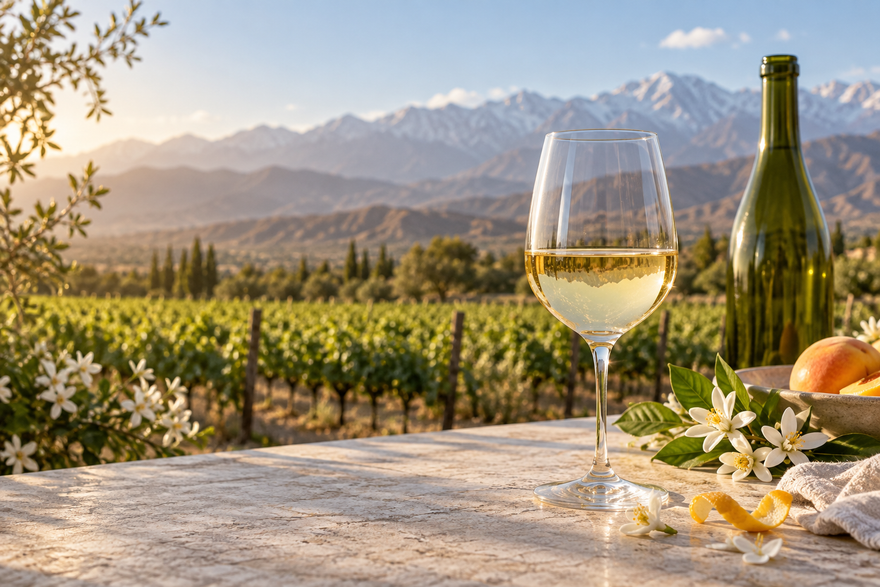
For Australian wine drinkers looking beyond Sauvignon Blanc, Pinot Grigio or Riesling, Torrontés offers something genuinely different: an expressive aroma, a bright palate and enough character to stand beside spicy, fragrant or herb-driven dishes.
This guide explains what Torrontés tastes like, where it grows, how to serve it and how to decide whether it suits your table.
What is Torrontés?
Torrontés is a family of white grape varieties closely associated with Argentina. Three principal forms are recognised: Torrontés Riojano, Torrontés Sanjuanino and Torrontés Mendocino. Of these, Torrontés Riojano is the most widely planted and the variety most associated with quality dry wine.
It is also a distinctly Argentine story. Wines of Argentina describes Torrontés as the country's best-known criolla variety, with Torrontés Riojano particularly valued for fine wines that can be both highly aromatic and dry.
That contrast is the key to understanding the grape. A glass may smell exuberantly floral, almost as though it ought to taste sweet. On the palate, however, a well-made dry Torrontés usually feels fresh, clean and balanced.
What does Torrontés taste like?
Torrontés is primarily recognised by its aroma. Common notes include:
- Orange blossom and jasmine
- Rose petals and other fresh flowers
- Mandarin, lemon peel and grapefruit
- Peach, apricot and tropical fruit
- Gentle spice or fresh herbs in some examples
The palate can range from light and citrus-led to rounder and more textural, depending on the region, harvest date and winemaking. Acidity is important because it keeps the wine refreshing and prevents its perfume from becoming heavy.
Is Torrontés sweet or dry?
Most Torrontés encountered as a table wine is dry. Its floral and ripe-fruit aromas can create an impression of sweetness before the first sip, but aroma is not the same as residual sugar.
Sweet, late-harvest and sparkling examples do exist, so check the producer's description if the style is not clear. For everyday drinking and food pairing, a dry, still Torrontés is the most common starting point.
Where is Torrontés grown?
Torrontés is grown across several Argentine wine regions, and place can influence its style.
Salta and Cafayate
Cafayate, in the northern province of Salta, is the region most famously associated with Torrontés. Its vineyards sit at high altitude, with strong sunlight and cool nights helping grapes develop aroma while retaining freshness.
Classic Cafayate examples can be intensely expressive, with orange blossom, rose and ripe citrus leading the profile. Wines of Argentina identifies Cafayate as Salta's principal wine-producing valley and Torrontés Riojano as one of its main varieties.
Mendoza and the Cuyo region
Mendoza is better known for Malbec, but Torrontés is also grown there. Depending on vineyard site and winemaking, these wines may lean towards a cleaner citrus and stone-fruit style, sometimes with a slightly more restrained floral character.
This means the producer and region matter. Two bottles labelled Torrontés can share the grape's signature perfume while still differing in body, ripeness and freshness.
How to choose Torrontés wine in Australia
1. Start with the style, not just the aroma
If you want an aperitif or a wine for seafood, look for descriptions such as crisp, dry, citrus-led or refreshing. If you prefer a fuller white, look for ripe peach, tropical fruit or a more textured palate.
2. Check the region and producer
Salta and Cafayate are useful cues for an intensely aromatic high-altitude style. Mendoza examples can offer a different expression, and the producer's tasting notes will usually tell you more than the grape name alone.
3. Choose recent vintages for freshness
Most dry Torrontés is intended to be enjoyed while its floral and fruit aromas are vivid. Unless the producer recommends ageing, a recent vintage is usually a sensible choice.
4. Match the bottle to the occasion
Torrontés works well when you need a white wine with more fragrance than a neutral dry white but less sweetness than many drinkers expect from highly aromatic grapes. It can be served before dinner, paired through a meal or included in a mixed white-wine selection.

Food pairings for Torrontés
Torrontés is especially versatile with food that combines perfume, spice and freshness.
Spicy Asian dishes
Thai, Vietnamese, Indian and Chinese dishes are classic matches. Floral aroma complements lemongrass, ginger, coriander and aromatic spices, while acidity refreshes the palate. Choose moderate rather than extreme chilli heat, particularly when the wine is completely dry.
Try it with:
- Thai green curry
- Vietnamese rice-paper rolls
- Lemongrass chicken
- Mild Indian curries
- Chilli and lime prawns
Seafood and lighter dishes
Freshness makes Torrontés a natural partner for prawns, grilled fish, ceviche-style dishes and salads with citrus or herbs. Avoid overpowering the wine with very heavy sauces.
Argentine flavours
Empanadas, grilled vegetables and dishes from north-western Argentina are traditional companions. The grape's perfume can handle seasoning, while its dry finish keeps the pairing lively.
Cheese and shared plates
Fresh goat cheese, mild washed-rind cheese and herb-led appetisers can work well. For a simple gathering, serve Torrontés with olives, soft cheese, grilled peppers and seafood bites.
How to serve Torrontés
Serve dry Torrontés chilled, but not ice-cold. Around 8–10°C is a useful starting point. If the wine is too cold, its aroma and texture will be muted. After a few minutes in the glass, the floral and citrus notes should become more expressive.
A standard white-wine glass is ideal. There is generally no need to decant it. Once opened, reseal the bottle, refrigerate it and enjoy it over the next couple of days while the aromas remain fresh.
Choosing Torrontés at San Telmo Cellars
When Torrontés is available, use the product page to check the vintage, region, tasting notes and current stock before ordering. A bottle described as dry, crisp and citrus-led is a good starting point for seafood or an aperitif. A riper, more floral style will suit fragrant dishes and drinkers who enjoy expressive aromatic whites.
San Telmo Cellars' range changes as vintages and shipments arrive. If the featured Torrontés is unavailable, browse the current white-wine collection or contact the Brookvale store rather than choosing an unsuitable substitute. Staff can confirm current stock and suggest an Argentine white with a similar role at the table.
Torrontés compared with other aromatic white wines
Torrontés vs Riesling
Both can show floral and citrus aromas. Riesling often has higher acidity and a wider range from bone-dry to sweet, whereas Torrontés commonly feels softer and more overtly floral. Always check the stated sweetness level for either wine.
Torrontés vs Gewürztraminer
Gewürztraminer can be richer, spicier and more textural, often with lychee and rose notes. Torrontés usually presents a fresher, lighter profile, making it easier to serve as an aperitif or with seafood.
Torrontés vs Sauvignon Blanc
Sauvignon Blanc is generally more herbal, grassy or sharply citrus-driven. Torrontés is usually more floral and perfumed. Tasting the two side by side is an easy way to compare the difference directly.
Frequently asked questions
Is Torrontés only made in Argentina?
Torrontés is most strongly identified with Argentina and is central to the country's white-wine identity. The recognised Argentine Torrontés varieties and their wine styles are distinct from similarly named grapes elsewhere.
Is Torrontés similar to Moscato?
They can share an aromatic, floral quality, which explains the comparison. However, most table-wine Torrontés is dry and typically less overtly sweet than Moscato.
Should Torrontés be aged?
Most examples are made to highlight fresh aroma and are best enjoyed young. Premium or specially made styles may develop differently, but the producer's guidance should take priority.
What is the best food with Torrontés?
Spiced dishes, seafood, fresh herbs and north-western Argentine flavours are reliable options. Thai and Vietnamese dishes are especially useful starting points.
Where can I buy Torrontés in Australia?
San Telmo Cellars carries Argentine white wines online and from its Brookvale store. Browse the current white-wine collection for available bottles, or contact the store if you would like help finding a similar style.
Discover Argentina beyond Malbec
Malbec may be Argentina's best-known wine, but Torrontés shows another side of the country: fragrant, bright and immediately distinctive. If you enjoy aromatic whites or want a wine that can meet spicy food without becoming heavy, it is well worth exploring.
Shop Torrontés and Argentine white wines, or visit San Telmo Cellars in Brookvale for help choosing a bottle.