
A Guide to Argentinian Wine in Australia
Argentinian wine is a useful place to look when you want a red with character for the barbecue, an aromatic white for a shared lunch or a bottle that starts a conversation. Malbec is the familiar entry point, but Argentina offers much more than one grape.
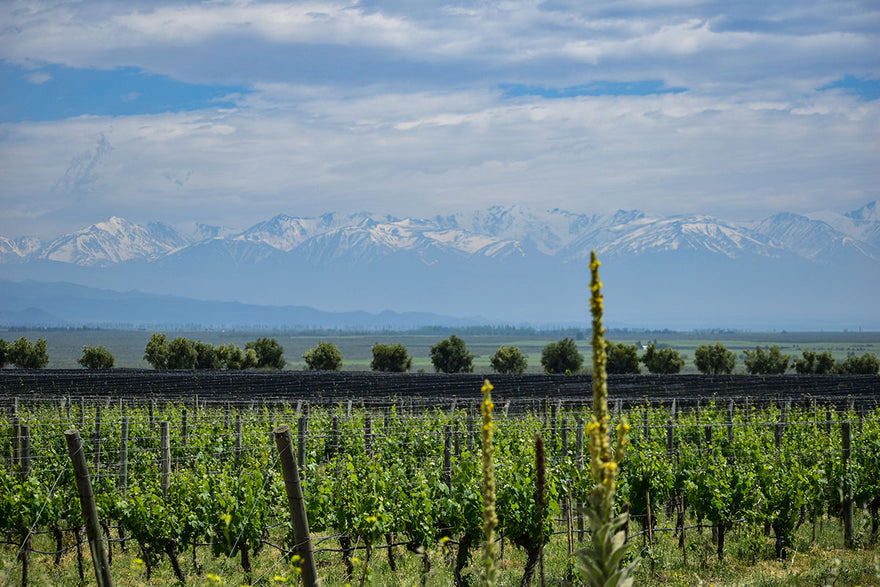
The easiest way to choose is to connect three things: the style you already enjoy, the meal or occasion, and the producer’s description of the bottle. A region name can help you explore, but it should never replace those practical details. This guide gives Australian wine drinkers a starting point before browsing our Argentinian wine range.
Start with the wine you already enjoy
If your usual order is an Australian Shiraz, try a Malbec described as generous and fruit-led. It may offer the dark fruit and satisfying body you enjoy, although it will not taste identical to Shiraz. Look at the individual tasting notes rather than assuming every Malbec is equally rich or spicy.
If you prefer Cabernet Sauvignon, Argentina also makes Cabernet and blends that can be worth exploring. For white wine drinkers who enjoy fragrant styles, Torrontés offers another direction. Someone who prefers restrained, crisp whites may want advice before choosing a strongly aromatic example.
There is no need to make your first order a survey of the whole country. Begin with one familiar style and one new grape. That gives you a useful comparison without committing to several bottles you may not enjoy.
The main grapes to recognise
Malbec
Malbec is Argentina’s best-known red grape. Many examples show plum or dark berry fruit, but body, freshness, tannin and oak character vary. Some are bright and approachable; others are more structured and better suited to a substantial meal.
For a closer look at choosing between bottles, read our Malbec buying guide. Use it alongside the Malbec collection to compare the styles currently available.
Torrontés
Torrontés is an aromatic white associated with Argentina. Floral and fruit aromas can make the nose seem sweet even when the wine itself is dry. Always check the bottle description if sweetness matters to you.
It can be an enjoyable option with fragrant food or when you want a white with a distinctive aroma. Our Torrontés guide explains the style in more detail and offers practical food matches.
Cabernet Sauvignon and red blends
Cabernet Sauvignon gives you another route into Argentinian reds. Blends can bring several varieties together, but a blend is not automatically softer or more complex than a single-variety wine. Read the producer’s description and choose for your meal and preference.
Bonarda, Cabernet Franc, Pinot Noir and other varieties broaden the national picture. Their inclusion here describes Argentina’s wine landscape, rather than promising that every variety is currently stocked at San Telmo.
Understand the regions without memorising a map
Mendoza
Mendoza is a central reference point for Argentinian wine and an important home for Malbec. Within the province, names such as Luján de Cuyo and the Uco Valley may appear on labels. They point to more specific origins, not a universal ranking of quality.
Vineyard conditions and winemaking decisions both influence the finished bottle. Two wines carrying Mendoza on the label can taste quite different. Compare the grape, producer, vintage and tasting description together.
Salta and the north
The northern wine regions include the Calchaquí Valleys and Cafayate in Salta. Wines of Argentina identifies high-altitude vineyards and a dry climate as important features of this area, with Torrontés particularly associated with its identity.
This is a helpful regional connection when exploring aromatic whites, but Torrontés is also grown elsewhere. A Torrontés label does not automatically mean the wine comes from Salta.
Patagonia
Patagonia adds another perspective, with areas including Río Negro and Neuquén. Pinot Noir, Chardonnay and other grapes are part of the regional picture. Think of it as a reason to explore different expressions, rather than assuming every southern wine will have the same body or flavour.
Other regions
San Juan, La Rioja and further growing areas also contribute to Argentina’s variety. You do not need a bottle from every region to build an enjoyable selection. Follow the wines that suit your taste, then use the origin on the label to guide the next question.
Choose for an Australian table
For steak, lamb or a mushroom dish, a dry red with enough body to match the food is a sensible starting point. A Malbec can work particularly well when the meal has browned, roasted or grilled flavours. The sauce still matters: a very sweet glaze or fiery chilli can change the match.
For prawns, lighter lunches or fragrant dishes, consider white wine according to the preparation. A floral white may suit herbs and gentle spice; delicate seafood can call for a quieter style. There is no rule that an Argentinian wine must accompany an Argentinian dish.
When entertaining a group, allow for different preferences. One red and one white may be more useful than several similar reds. Our summer wine guide offers further ideas for warmer Australian days.
Read the label and product page together
Before ordering, check the grape or blend, region, bottle size and current vintage. Read any information about oak or maturation as a clue to style, not as a guarantee that the wine will be your favourite.
Then check the purchase format. A bottle and a case are different options, and a gift presentation may have its own inclusions. The pictured label can show an earlier vintage, so the product page should guide the final choice.
The Lagarde Malbec bottle shown here is an example from our catalogue. Browse the live Lagarde Malbec page for current details rather than treating an editorial image as a stock promise.

Build a useful first selection
Choose one bottle in a style you know and one that expands your experience. For a red wine household, that might mean comparing two Malbec descriptions rather than adding a white nobody wants. For a mixed household, a red and an aromatic white may be more practical.
Keep a short note after tasting: what you enjoyed, what food you served and whether you would buy it again. Plain words such as fresh, soft, fragrant or too oaky are enough to make your next recommendation more accurate.
Frequently asked questions
Is Argentinian wine the same as Malbec
No. Malbec is strongly associated with Argentina, but the country also makes Torrontés, Cabernet Sauvignon, blends and many other styles.
Is Argentinian Malbec always full bodied
No. Style varies by vineyard, producer and winemaking. Check the individual description for body, freshness and oak character.
Is Torrontés sweet
It can smell floral and fruity without tasting sweet. Many examples are dry, but you should check the producer’s description for the particular bottle.
Can I pair Argentinian wine with Australian food
Yes. Match the weight, sauce and preparation of the dish to the wine. The country of origin does not restrict what you can serve with it.
Where should I start when buying Argentinian wine in Australia
Begin with a style you already enjoy and browse a specialist range. Share your usual wines, meal and budget if you would like help narrowing the choice.
Find your next Argentinian bottle
Browse the Argentinian wine range, then compare a few descriptions that suit your table. If you would like a recommendation, contact San Telmo Cellars with your preferred style, budget and occasion. We can help you explore the available selection without making the choice more complicated than it needs to be.
For adults aged 18 and over. Please enjoy responsibly.